Spray Foam Insulation Perth: Comprehensive 2026 Comparison with Batts, Wool, and Reflective Insulation
By Kylie Edwards, Spray Foam Insulation Perth
Understanding insulation options is crucial for homeowners, particularly in the unique climate of Perth. This article delves into the benefits, costs, and environmental impacts of various insulation types, focusing on spray foam, batts, wool, and reflective materials. By exploring their effectiveness, energy efficiency, and relevancy to current building practices in Perth, readers will grasp how to make informed decisions about home insulation. As energy efficiency becomes increasingly important, knowing which insulation type best suits a property can lead to significant long-term savings and environmental benefits.
In this comprehensive comparison, we will cover the key benefits of spray foam insulation, its cost in relation to other options, its eco-friendly aspects, and how the specific climate and individual property needs influence insulation choices. For tailored recommendations and insights, consider connecting with experts like Spray Foam Insulation Perth.
What Are the Key Benefits of Spray Foam Insulation in Perth’s Climate?
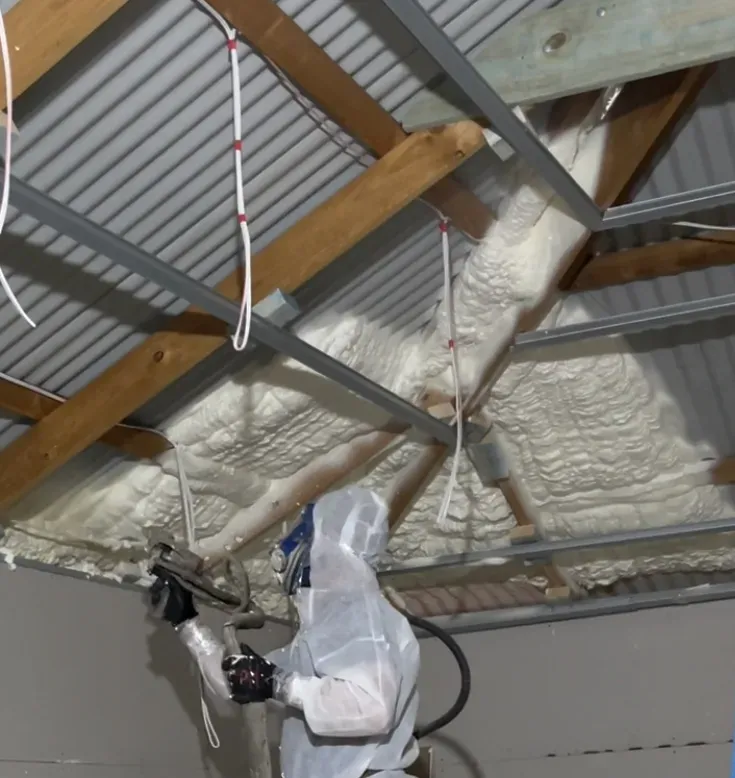
Spray foam insulation stands out in Perth’s climate due to its superior thermal performance and energy efficiency. This material’s ability to create an airtight seal fundamentally improves overall energy efficiency, leading to significant cost savings on utilities. Additionally, the moisture resistance properties of spray foam help mitigate potential water damage and mold growth, ensuring long-lasting performance in the region’s variable humidity levels.
Understanding these attributes is essential for homeowners and builders alike. For those considering insulation options that best suit Perth’s unique needs, connecting with experts can provide tailored recommendations and insights. Spray Foam Insulation Perth specializes in offering consultations tailored to individual needs.
How Does Spray Foam Improve Energy Efficiency Compared to Other Insulation Types?
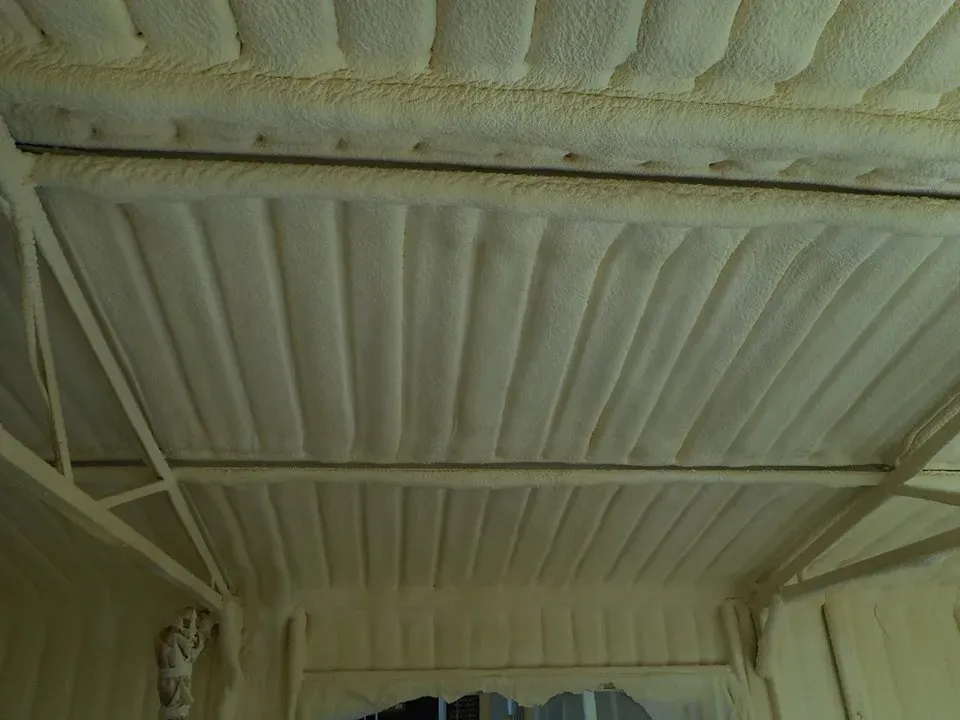
Spray foam insulation enhances energy efficiency by creating an airtight barrier that prevents air leaks, unlike traditional batts and wool insulation. This effective sealing process significantly reduces thermal bridging and energy loss. Reports indicate that homes utilizing spray foam can achieve energy savings between 20% to 50% when compared to conventional insulation types. Furthermore, the longevity and durability of spray foam contribute to lasting effectiveness, making it a cost-effective solution over time.
What Comfort and Durability Advantages Does Spray Foam Offer in Perth Properties?
The comfort and durability of spray foam are unmatched among insulation options. Its exceptional R-values ensure better temperature regulation, preventing heat loss in winter and keeping homes cooler in summer. This aspect not only enhances indoor comfort but also significantly improves energy consumption over time. Additionally, spray foam’s resistance to moisture and pests ensures a solid, durable structure that stands up better than traditional insulation over the long run.
How Does Spray Foam Insulation Cost Compare to Batts, Wool, and Reflective Options in Perth?
When comparing the cost of spray foam insulation to batts, wool, and reflective materials, initial installation costs can appear higher. However, considering long-term energy savings shifts the perspective significantly. Investments in spray foam insulation can lead to decreased utility bills, making it a financially sound choice over its lifespan.
What Are the Installation and Material Costs of Spray Foam Versus Batts and Wool?
Installation costs for spray foam insulation typically range from $1.50 to $3.00 per square foot. In contrast, traditional batts and wool insulations are usually less expensive, averaging around $0.80 to $2.00 per square foot, depending on the material type and installation complexities. While the initial costs may be higher for spray foam, homeowners can expect reduced energy bills, which offset these higher upfront payments in the coming years.
How Do Lifetime Energy Savings Offset Initial Spray Foam Costs Compared to Other Insulations?
Long-term energy savings are a critical factor to consider. Research indicates that homeowners using spray foam insulation can save between 20% and 50% on their annual heating and cooling costs over their lifetimes. By subtracting the upfront investment from these savings, homeowners often find that spray foam insulation pays for itself within just a few years, providing both comfort and financial relief in the long run.
What Are the Environmental and Eco-Friendly Benefits of Spray Foam and Other Insulations in Perth?

Eco-friendliness is a growing concern among Australian homeowners, and spray foam insulation offers significant benefits in this regard. It helps reduce a property’s carbon footprint by maximizing energy efficiency, thus lowering greenhouse gas emissions. Moreover, many spray foam products are manufactured with sustainability in mind, ensuring minimal environmental impact during production and disposal.
What Local Government Rebates and Incentives Support Energy Efficient Insulation in 2026?
In 2026, various local government rebates and incentives are available to encourage the installation of energy-efficient insulation, including spray foam. Homeowners can often receive rebates that cover a portion of installation costs, further enhancing the financial appeal of adopting this environmentally friendly option. Checking with local government websites will provide updated information about available support programs and eligibility criteria.
How Do Installation Processes and Technical Considerations Differ Among Spray Foam, Batts, Wool, and Reflective Insulation?
Installation processes vary significantly across insulation types. Spray foam requires professional installation due to the complexity and equipment needed for effective application. Conversely, batts and reflective insulation can often be installed by individuals with basic DIY skills, leading to potential cost savings on labor.
However, these savings can sometimes come at the expense of overall efficiency. Professional installation of spray foam ensures that all areas, including those hard-to-reach spots, are fortified, which maximizes the insulation’s effectiveness.
What Are the Key Technical Differences Between Open-Cell and Closed-Cell Spray Foam?
Spray foam is categorized into two primary types: open-cell and closed-cell. Open-cell spray foam is soft and flexible, more cost-effective, but less dense, making it suitable for interior applications where moisture resistance is not as critical. Conversely, closed-cell spray foam is denser and more rigid, providing superior insulation value and moisture resistance, which is ideal for external applications in Perth’s variable climate conditions.
How Do Installation Durability and Maintenance Requirements Compare Across Insulation Types?
In terms of durability and maintenance, spray foam insulation generally requires less upkeep compared to traditional options. Once installed, it doesn’t sag or lose its insulative properties over time. Batt insulation can settle and compress, reducing its effectiveness, while wool may require replacements if damaged by moisture or pests. Conversely, reflective insulation needs to be correctly installed to maintain efficacy, which can add complexity to maintenance efforts.
Which Insulation Type Is Best Suited for Different Property Needs in Perth?
Choosing the suitable insulation type hinges on several variables, including property type, budget, and specific climate needs. Spray foam insulation may work best for homeowners who prioritize energy efficiency and moisture resistance, particularly in newer builds or during major renovations.
How to Choose Between Spray Foam, Batts, Wool, and Reflective Insulation Based on Building Type?
For contemporary homes in Perth, spray foam insulation provides an advantage in energy efficiency and adaptability to various property designs. Traditional homes, however, may still benefit from batts or wool insulation, especially when budget constraints exist. Evaluating each type based on property style, climate, and expected longevity can guide homeowners in making the best choice.
What Role Does Climate and Local Conditions Play in Insulation Selection?
Perth’s climate is characterized by hot summers and mild winters, meaning insulation needs to address both extremes. Spray foam insulation is highly versatile, suitable for managing heat gain in summer while minimizing heat loss in winter. With the potential for high humidity levels, moisture-resistant options are also advisable. Homeowners should always consider local weather conditions when selecting the insulation that best protects their investment. For specific inquiries or project consultations, contact them.