Fire-Resistant Insulation Western Australia: BAL Ratings and Bushfire Zone Compliance Guide
By Kylie Edwards, Spray Foam Insulation Perth
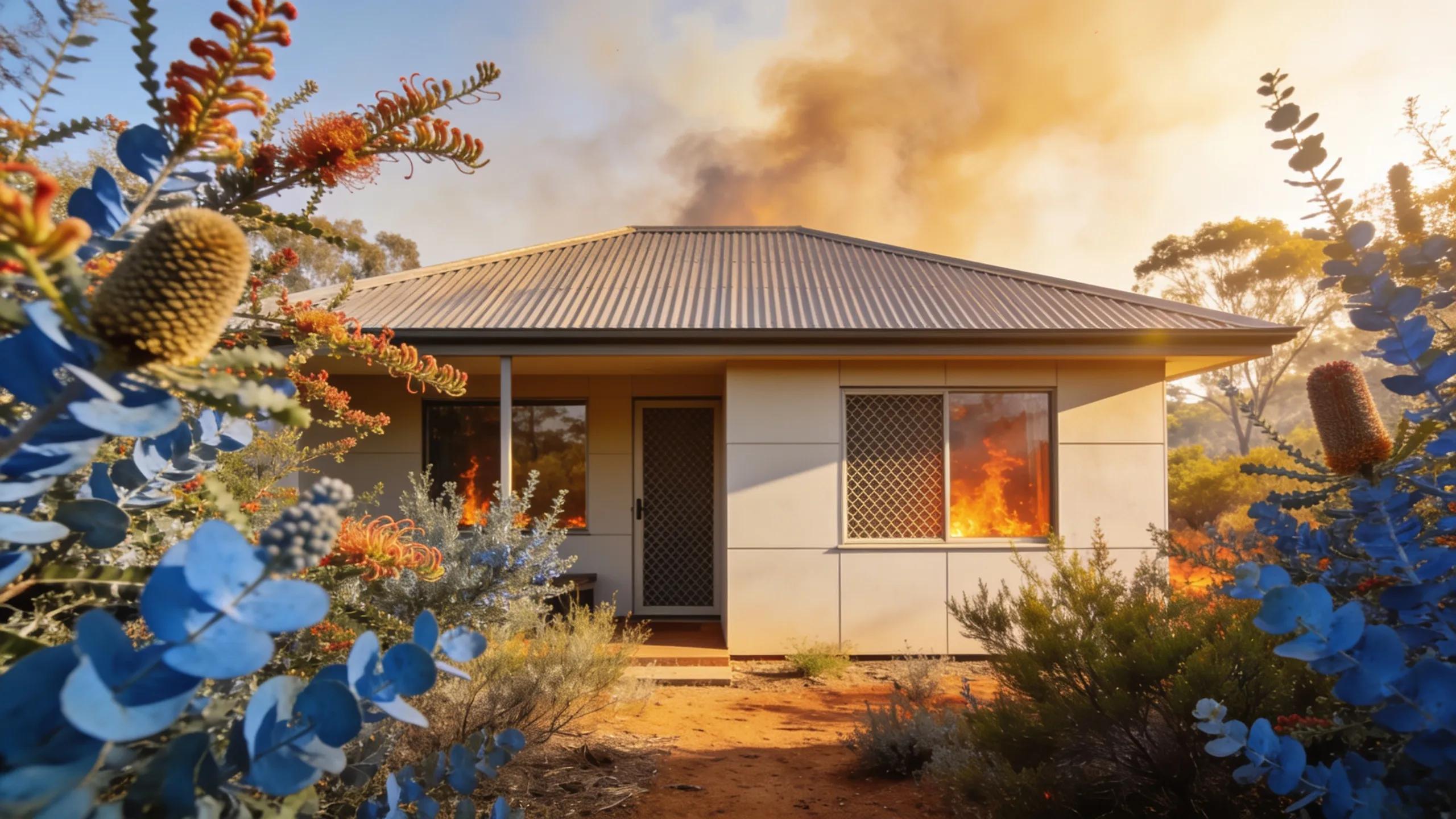
In regions like Western Australia, where bushfires are a recurring threat, understanding the importance of fire-resistant insulation is crucial for homeowners and builders alike. This guide explores the significance of Bushfire Attack Level (BAL) ratings and how they affect not only insulation choices but also overall compliance with safety regulations. Readers will learn about the various types of insulation suited for bushfire-prone areas, relevant regulations that govern their use, and the best practices for installation that ensure safety and compliance. With adequate fire-resistant insulation, property owners can significantly mitigate risks associated with bushfires, thus protecting their homes and enhancing property value.
This article will cover essential topics including an overview of BAL ratings, the regulations applicable in Western Australia, best practices for installation, and detailed implications for safety and property protection. Furthermore, we will review the types of fire-resistant insulation materials that comply with BAL ratings, ensuring readers have all the necessary information for making informed decisions in bushfire zones.
Understanding BAL Ratings
BAL ratings are essential for assessing the risk of bushfire attack on buildings and are critical in deciding insulation and material choices. BAL ratings are classified from BAL-Low to BAL-FZ, based on the potential fire exposure a building may face, providing a framework that guides construction practices in bushfire-prone areas. Adhering to these ratings is crucial as incorrect insulation choices can lead to severe safety consequences, including heightened risks of property damage and reduced occupant safety.
These ratings serve as a guideline for property owners and builders, helping them to understand the required fire resistance for their insulation materials and construction methods. Furthermore, matching insulation with the appropriate BAL rating significantly enhances the fire resilience of a property. Thus, it is vital to assess the specific BAL rating of a site prior to making insulation decisions to ensure compliance and optimal protection.
Relevant Regulations
The regulations surrounding fire-resistant insulation in Western Australia are primarily governed by the National Construction Code (NCC) and relevant Australian Standards. Key guidelines from the Department of Fire and Emergency Services (DFES) outline specific standards for the use of insulation materials within bushfire-prone areas, emphasising the necessity for proper materials that conform to designated BAL ratings.
These statutes mandate that all buildings in bushfire zones meet specific construction standards, including the use of fire-rated insulation that adheres to the defined BAL levels. Ensuring compliance with these regulations not only protects lives and property but also guarantees that construction methods are sound and effective against bushfire risks.
Best Practices for Installation
To ensure that fire-resistant insulation performs effectively, following best practices during installation is critical. Property owners should consider the following steps for optimal results:
- Selecting the Right Materials: Choose fire-rated insulation materials that meet or exceed the required BAL ratings for the specific site.
- Proper Installation Techniques: Employ techniques that follow manufacturer guidelines and applicable codes to maximise insulation effectiveness.
- Conduct Regular Inspections: Engage in periodic reviews of the installation to ensure ongoing compliance with safety standards.
By implementing these practices, property owners can maintain the integrity of their insulation systems and significantly enhance their homes’ safety against bushfire threats.
Implications for Safety and Property Protection
Fire-resistant insulation plays a crucial role in enhancing safety and protecting property in bushfire-prone areas. With effective insulation, the evacuation time during a fire-related emergency can be improved, allowing residents more time to get to safety. Furthermore, proper insulation can minimise property damage by preventing fire from penetrating the building and reducing overall risk exposure.
Long-term durability benefits also come into play, as quality fire-resistant insulation can withstand the harsh conditions associated with bushfires, providing peace of mind to homeowners about the integrity of their property. This protective measure not only secures lives but can significantly contribute to maintaining the market value of a home situated in a bushfire zone.
What are BAL Ratings and How Do They Affect Insulation Choices in Western Australia?
BAL ratings impact insulation material choices based on the defined level of fire risk associated with a property’s location. Property owners must assess their site’s proximity to bushfire-prone areas to determine the appropriate ratings applicable. For each BAL rating, specific insulation requirements become applicable, dictating which materials can be deemed suitable for construction.
The process of measuring BAL ratings includes evaluating aspects such as vegetation, slope, and distance from bushfire attack zones. Understanding these factors allows for better-informed decisions about insulation material selection, ensuring that only those complying with the standards stipulated for their respective BAL level are utilised.
How Do Bushfire Zones in Western Australia Influence Insulation Requirements?
Bushfire zones in Western Australia exert a significant influence on the choice of insulation materials, as each zone’s guidelines will dictate different compliance requirements. The varying classifications of bushfire zones set forth by local authorities require that specific materials compliant with corresponding BAL ratings be used to construct buildings.
Different bushfire zones are designated based on the intensity of bushfire potential, leading to more stringent requirements in higher-risk zones. Understanding how these classifications work empowers property owners to select the proper insulation that ensures maximum safety and adherence to local regulations.
Which Fire Resistant Insulation Materials Comply with BAL Ratings in Western Australia?
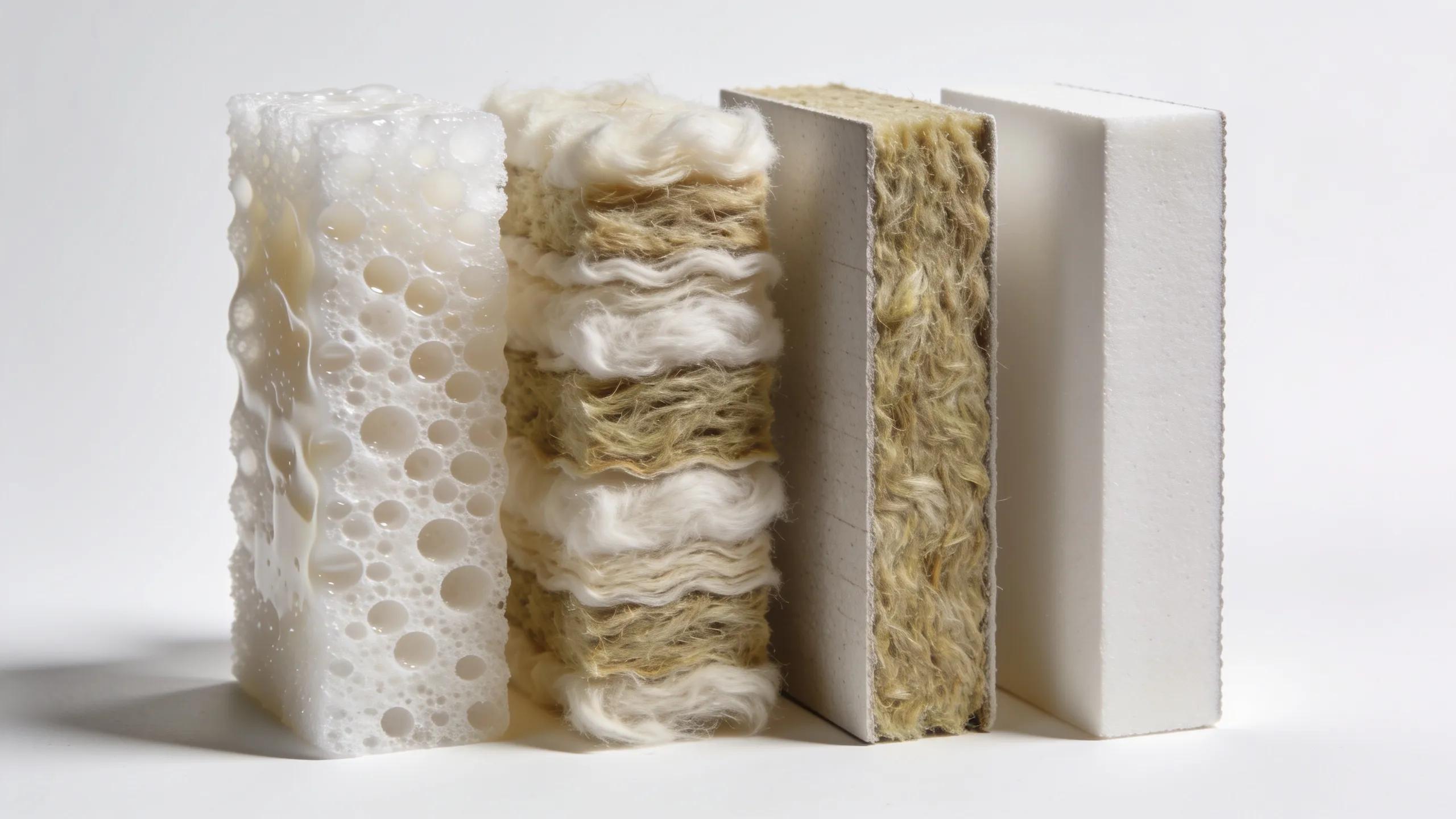
Fire-resistant insulation materials must meet specific performance criteria to comply with BAL ratings. Suitable materials may include:
| Material | Fire Rating | Suitable BAL Rating |
|---|---|---|
| Closed-cell spray foam | B1 | BAL-Low to BAL-29 |
| Mineral wool insulation | B1 | BAL-Low to BAL-29 |
| Rigid foam board insulation | B1 | BAL-Low to BAL-29 |
These materials offer varying levels of fire resistance, making them suitable for different applications in bushfire-prone areas. Property owners must ensure that whichever insulation they choose complies with the relevant BAL rating applicable to their building.
Is Spray Foam Insulation Suitable for BAL Rated Bushfire Zones?
Spray foam insulation has gained popularity among builders and homeowners alike due to its excellent insulating properties. When chosen correctly, it can be suitable for use in BAL rated bushfire zones. Specifically, closed-cell spray foam provides improved insulation while meeting the fire safety requirements outlined by the NCC and Australian standards for BAL ratings.
The performance characteristics of spray foam insulation allow it to adhere effectively to various substrates and create a seamless layer of protection against heat and fire. Furthermore, it possesses durability in extreme conditions, which is pivotal for properties situated in high-risk fire areas.
What Other Fire Safe Insulation Products Are Approved for Use in WA Bushfire Areas?
In addition to spray foam insulation, several alternative fire-safe insulation products are recommended for application in WA bushfire areas. These include:
- Rock wool insulation: Known for its fire-resistant properties, it provides excellent thermal performance.
- Fiberglass insulation: While typically not fire-rated, specific formulations are designed to withstand higher temperatures.
- Composite materials: Some products combine different materials to help achieve necessary fire ratings while enhancing thermal performance.
When selecting insulation, homeowners should consult with manufacturers about the specific fire ratings and certifications for the products to ensure compliance with local bushfire safety standards.
How to Ensure Bushfire Zone Building Compliance with BAL Rated Insulation in WA?
Ensuring compliance with insulation regulations involves a thorough understanding of the materials and installation methods you choose. Key steps include:
- Select Appropriate Insulation: Choose materials that specifically mention compatibility with the BAL ratings for your location.
- Follow Installation Standards: Adhere to manufacturer guidelines and local regulations during the installation process to maintain integrity and effectiveness.
- Document Compliance: Keep detailed records of materials used and installation processes in case inspections occur.
By following these steps, property owners can ensure they meet building compliance requirements for bushfire zones and protect themselves from potential hazards.
What Are the Building Regulations and Compliance Guidelines for BAL Rated Insulation?
The building regulations that govern BAL-rated insulation are set forth at both national and state levels, ensuring that materials and installation methods meet the required fire safety standards. Key regulations to consider include:
- National Construction Code (NCC): Outlines the framework for building standards concerning insulation in bushfire areas.
- Australian Standards: Provide detailed performance criteria and testing requirements for insulation materials.
- Local Council Regulations: Specific zoning laws may further dictate restrictions on building practices and materials used in bushfire-prone areas.
Compliance with these guidelines is critical for ensuring that structures effectively withstand potential bushfire impacts, ultimately safeguarding lives and property.
How to Verify and Document BAL Compliance for Insulation Products and Installations?
Verifying and documenting compliance with BAL requirements is essential to ensure that insulation installations are conducted correctly. Steps include:
- Understand BAL Ratings: Familiarize yourself with the fire ratings applicable to insulation materials based on the specific BAL rating for your property.
- Select Appropriate Insulation: Choose materials that are explicitly tested and certified for compliance with BAL ratings.
- Obtain Compliance Certificates: After installation, securing documentation from manufacturers or installers verifies that the selected insulation adheres to required standards.
This systematic approach not only helps maintain safety but also provides necessary evidence of compliance for potential future inspections.
What are Best Practices for Installing Fire Resistant Insulation in Western Australia Bushfire Zones?
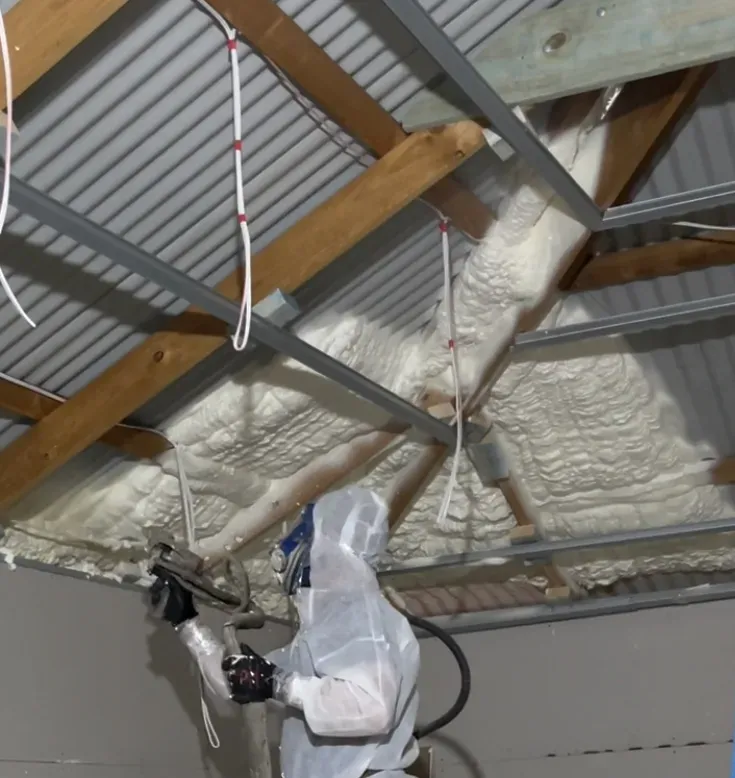
To maximise the performance and safety of fire-resistant insulation in bushfire areas, several best practices should be adhered to during installation:
- Employ Professional Installation: Always consider hiring certified professionals with experience in installing fire-rated insulation to ensure proper methods are utilized.
- Verify Material Certification: Use insulation products bearing reputable certifications that confirm their fire resistance and suitability.
- Conduct Quality Inspections: After installation, ensure that a thorough inspection is performed to confirm that all materials are correctly applied and compliant with guidelines.
Implementing these practices will not only enhance the safety of your property but also ensure compliance with all relevant building codes.
How Should Insulation Be Installed to Meet BAL Safety Standards?
To meet BAL safety standards effectively, insulation should be installed by trained professionals who are knowledgeable about specific requirements and methods. This often includes ensuring that installations are free of gaps or voids to maintain continuity in insulation and minimise potential fire paths.
Furthermore, maintaining proper ventilation and following manufacturer recommendations for thermal protection is vital for maximising insulation performance. Regular maintenance checks are also necessary to ensure that the insulation maintains its effectiveness over time, especially in regions where bushfire risks are prevalent.
What Are the Approved Installation Methods for Spray Foam and Other Insulation Types?
Approved installation methods for fire-resistant insulation types such as spray foam include:
- Spraying the foam evenly to fill cavities and gaps, creating a seamless thermal barrier.
- Ensuring all spray foam is installed according to the manufacturer’s recommendations for both thickness and application techniques to achieve optimal results.
- Regular assessments and certifications of installed foam to ensure continuing compliance with compliance guidelines.
By following these methods, property owners can derive maximum benefits from their insulation investments while ensuring compliance with fire safety standards.
Where Can You Find Local Western Australia Resources and Case Studies on BAL Insulation Compliance?
Various local resources can provide valuable guidance on BAL insulation compliance and installation best practices. Key resources include:
- Local Government Resources: Many councils provide guidance documents and workshops related to bushfire compliance and safe building practices.
- Industry Publications: Numerous industry publications focus specifically on effective fire-resistant insulating strategies and materials.
- Case Studies of Successful Installations: Gaining insights from documented case studies allows builders and homeowners to learn from previous adaptations made for local BAL compliance.
These resources serve as important tools for anyone looking to improve their understanding and expertise regarding fire-resistant insulation in bushfire-prone areas.
What Are Recent Western Australia Case Studies Demonstrating BAL-Compliant Insulation?
Several case studies showcase successful adaptations of insulation practices to meet local BAL compliance requirements in Western Australia. Notable examples include:
- Residential Installations: Many homeowners have applied closed-cell foam and mineral wool insulation effectively in BAL-29 rated homes, demonstrating improved resilience against fire.
- Commercial Projects: Commercial buildings have incorporated fire-rated insulation as part of their designs, adhering to stringent BAL guidelines to ensure compliance while minimising risk.
- Community Initiatives: Several community-driven projects have highlighted the importance of using certified insulation materials, thereby enhancing safety and property protection in high-risk areas.
These examples underscore the importance of tailored insulation approaches to elevate the fire safety of properties in bushfire zones.
Which WA Government and Industry Resources Support Bushfire Safe Insulation Choices?
Key resources supporting bushfire-safe insulation choices include:
- Department of Fire and Emergency Services (DFES): Provides comprehensive guides and information on building practices in bushfire zones.
- Local Council Websites: Many councils offer resources pertinent to building codes, materials, and compliance checks tailored to specific bushfire risks.
- Industry Associations: Organisations dedicated to building safety and compliance outline best practices for using insulation in bushfire-prone areas.
Utilising these resources ensures property owners remain informed and limit their exposure to bushfire risks through appropriate insulation choices.
Which Frequently Asked Questions Help Understand Fire-Resistant Insulation and BAL Ratings in WA?
Understanding fire-resistant insulation and BAL ratings often raises questions. Some common inquiries include:
- What constitutes fire-resistant insulation? Fire-resistant insulation meets specific standards for materials used in construction, ensuring they can withstand high temperatures without compromising safety.
- How do I determine my BAL rating? Assessing your property’s BAL rating entails evaluating vegetation types and distances from bushfire-prone areas, often requiring expert analysis.
- Is BAL compliance necessary? Yes, adhering to BAL compliance is not only a legal requirement in Western Australia but essential for the safety and resilience of properties against bushfire threats.
Answers to these questions can enhance understanding and mindfulness surrounding insulation choices for safety and regulatory compliance in bushfire-prone areas.
What Are Common Questions About BAL Ratings and Insulation Material Fire Safety?
Property owners frequently seek clarity on BAL ratings and the fire safety of insulation materials. Common questions include:
- What fire resistance ratings can insulation products achieve?Insulation products can achieve various ratings, typically classified under categories like B1, B2, or B3, reflecting their fire safety capabilities.
- Do different types of insulation provide varying levels of safety? Yes, materials such as mineral wool or closed-cell spray foam can offer enhanced protection compared to typical fibreglass insulation.
- How does insulation affect overall fire safety? Quality insulation plays a critical role in preventing fire spread, contributing to the safety framework of buildings situated in bushfire zones.
These inquiries elaborate on the importance of making informed decisions when selecting insulation that bridges safety with compliance in bushfire risk areas.
How Do BAL Ratings Affect Thermal Performance and Energy Efficiency of Insulation?
BAL ratings have a direct bearing on thermal performance and energy efficiency within insulation materials. Higher BAL ratings often necessitate enhanced performance characteristics in selected insulation, improving the thermal resistance properties vital to maintaining comfortable indoor temperatures.
For example, materials that meet BAL ratings provide not only superior fire protection but also improve energy efficiency through better insulation integrity, potentially reducing heating and cooling demands. Thus, investing in compliant insulation can yield financial and environmental benefits over time.