
Choosing Fire-Resistant Spray Foam Insulation for WA Homes: Materials, R-Values, Installation, and Compliance
By Kylie Edwards, Spray Foam Insulation Perth
Selecting the right fire-resistant spray foam insulation is crucial for homeowners in Western Australia seeking to enhance both safety and energy efficiency. This article provides an in-depth look at the materials, R-values, installation procedures, and compliance requirements for choosing the best insulation for WA homes. As wildfires pose a significant risk in this region, understanding how spray foam insulation can improve fire resilience in buildings is of utmost importance. By exploring the characteristics of various insulation materials, their corresponding R-values, and installation practices, we offer a comprehensive resource for homeowners looking to make informed decisions. We will delve into recommended materials, energy efficiency through R-values, installation procedures, and necessary compliance standards, ensuring that you are well-informed for your insulation choices.
Recommended Materials
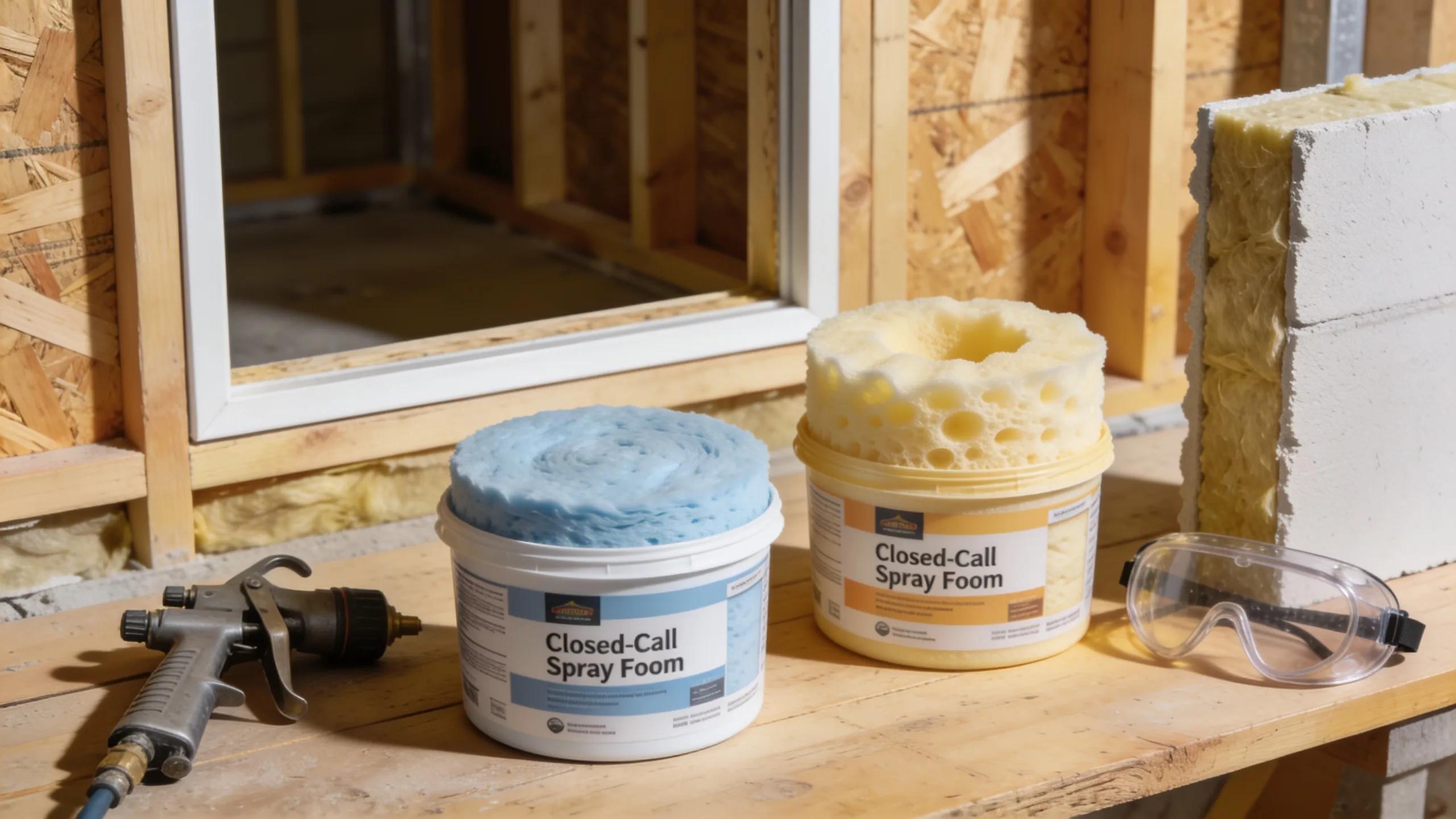
When contemplating fire-resistant spray foam insulation for your home, several materials stand out that effectively balance insulation properties and fire safety. One of the most popular options is closed-cell spray foam, renowned for its superior insulation capabilities and resistance to moisture, making it ideal for exterior applications. On the other hand, open-cell spray foam offers flexibility and is better suited for interior uses due to its lower density. Both materials can be enhanced with fire retardant additives, improving their fire safety ratings.
Additionally, understanding the fire resistance ratings associated with these materials is critical. Closed-cell spray foam typically achieves higher fire resistance ratings, which can significantly enhance your home’s safety in the event of a fire. By selecting appropriate fire-resistant materials, homeowners can ensure that their insulation not only meets energy efficiency needs but also provides an essential layer of safety.
R-Values for Energy Efficiency
R-values are a measure of insulation effectiveness, with higher values indicating better thermal resistance. For homeowners in WA, knowing how different types of spray foam insulation compare is vital for energy efficiency. Closed-cell spray foam generally offers higher R-values, typically in the range of R-6 to R-7 per inch, compared to open-cell spray foam, which typically provides R-3.5 to R-4 per inch.
This difference in R-values affects the overall energy savings potential of your home. Higher R-values mean improved insulation, resulting in reduced energy costs for heating and cooling. Therefore, when choosing between materials, considering the R-value is essential as it directly influences energy efficiency and comfort levels in residential environments.
R-Value Comparison Table
To illustrate the differences in thermal resistance, the following table compares the R-values of both types of spray foam insulation commonly used in WA homes:
| Spray Foam Type | R-Value per Inch | Typical Uses |
|---|---|---|
| Closed-Cell Foam | R-6 to R-7 | Exterior walls, roofing, basements |
| Open-Cell Foam | R-3.5 to R-4 | Interior walls, ceilings |
Understanding these values helps homeowners make informed decisions about which insulation to choose based on their specific needs and local climate conditions.
Installation Procedures
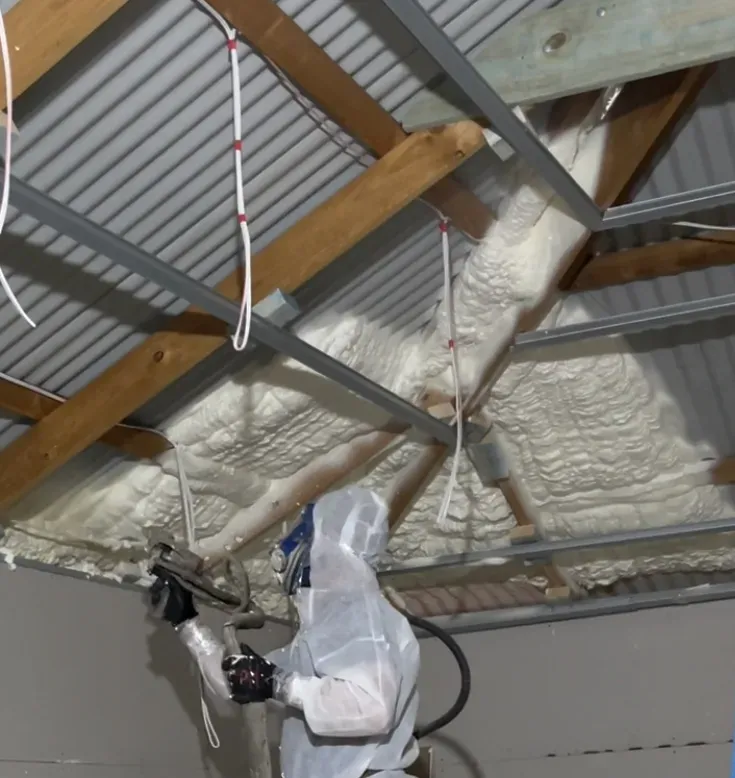
Proper installation of spray foam insulation is crucial to maximising its performance and ensuring compliance with safety regulations. Before beginning the installation process, it is vital to assess the home for any existing issues that might affect insulation efficiency, such as moisture problems or structural damage.
- Preparation Steps: Site preparation involves sealing any gaps or openings in the structure, which can significantly impact the insulation’s effectiveness.
- Application: During application, the spray foam should be applied uniformly to the designated areas, ensuring no gaps or uneven surfaces remain.
- Curing Process: After applying the foam, it must cure properly. This period can vary based on the specific product used, but it typically takes 24-48 hours for the foam to fully cure and achieve its optimal insulating properties.
Selecting a professional installer familiar with local regulations can ensure that your spray foam insulation project adheres to safety standards and provides the best results.
Compliance Requirements
Complying with local building codes and fire safety regulations is essential when installing spray foam insulation in WA homes. These regulations are designed to protect property and lives from the hazards associated with fires.
- Fire Safety Regulations: Specific fire safety standards outline the necessary R-values and fire resistance ratings for materials used in residential construction. Closed-cell spray foam often meets these stringent requirements due to its enhanced insulation properties and fire retardant formulations.
- Building Code Compliance: Homeowners must ensure that any insulation used complies with the National Construction Code (NCC) standards relevant to WA. This includes adhering to specifications about the type of materials and installation practices that must be followed.
- Durability Standards: Additionally, insulation must meet durability specifications to ensure it can withstand exposure to the elements without degrading, which could compromise both insulation and fire safety.
Obtaining necessary permits and following local regulations not only helps in achieving compliance but also ensures that your investment in insulation is worthwhile.
Additional Considerations
In addition to the primary factors mentioned above, homeowners should also consider long-term maintenance and the energy efficiency advantages of different spray foam insulation types. Retrofitting existing structures with fire-resistant spray foam can significantly enhance energy efficiency and comfort levels while also providing that crucial fire safety component.
Fire-resistant spray foam insulation not only improves energy efficiency but can also offer substantial cost savings over time through reduced energy bills. By effectively managing heat loss and gain in homes, this insulation can lead to a more comfortable living environment throughout the seasons.
What Are the Best Fire-Resistant Spray Foam Insulation Materials for WA Homes?
Identifying the best fire-resistant materials is key to ensuring safety and efficiency in WA homes. Homeowners often consider both closed-cell and open-cell spray foam to meet their specific needs.
Which spray foam types offer optimal fire resistance in WA climates?
Closed-cell spray foam is particularly effective for exterior applications in WA, providing robust insulation against harsh weather conditions while also featuring superior fire resistance. Open-cell spray foam, while less rated for fire, can still be utilized effectively in controlled interior spaces where flexibility and sound absorption are needed.
How do fire retardant formulations improve spray foam insulation safety?
Fire retardant formulations play a crucial role in enhancing the safety profiles of spray foam insulation. These additives work by slowing the spread of flames and reducing smoke production, crucial traits during fire emergencies. By employing fire retardant formulations, homeowners can bolster their safety measures, making a significant difference in protecting life and property.
High R-Value Spray Foam Insulation Materials
Polyisocyanurate, foil-faced rigid board, is insulating foam with one of the highest available R-values per inch. Closed-cell, high-density spray polyurethane is used both for cavity
Insulation: facilities, WA Porter, 2014
This insightful understanding of materials, R-values, installation procedures, and compliance will empower WA homeowners to make the most informed choices regarding their spray foam insulation, enhancing both safety and energy efficiency.